
Fallopian Tube Recanalization
A common cause of female infertility affecting 25-30% of women with infertility
Fortunately, Interventional Radiology offers a minimally invasive solution to restore fertility without the need for open surgery.
Understanding Fallopian Tube Blockage
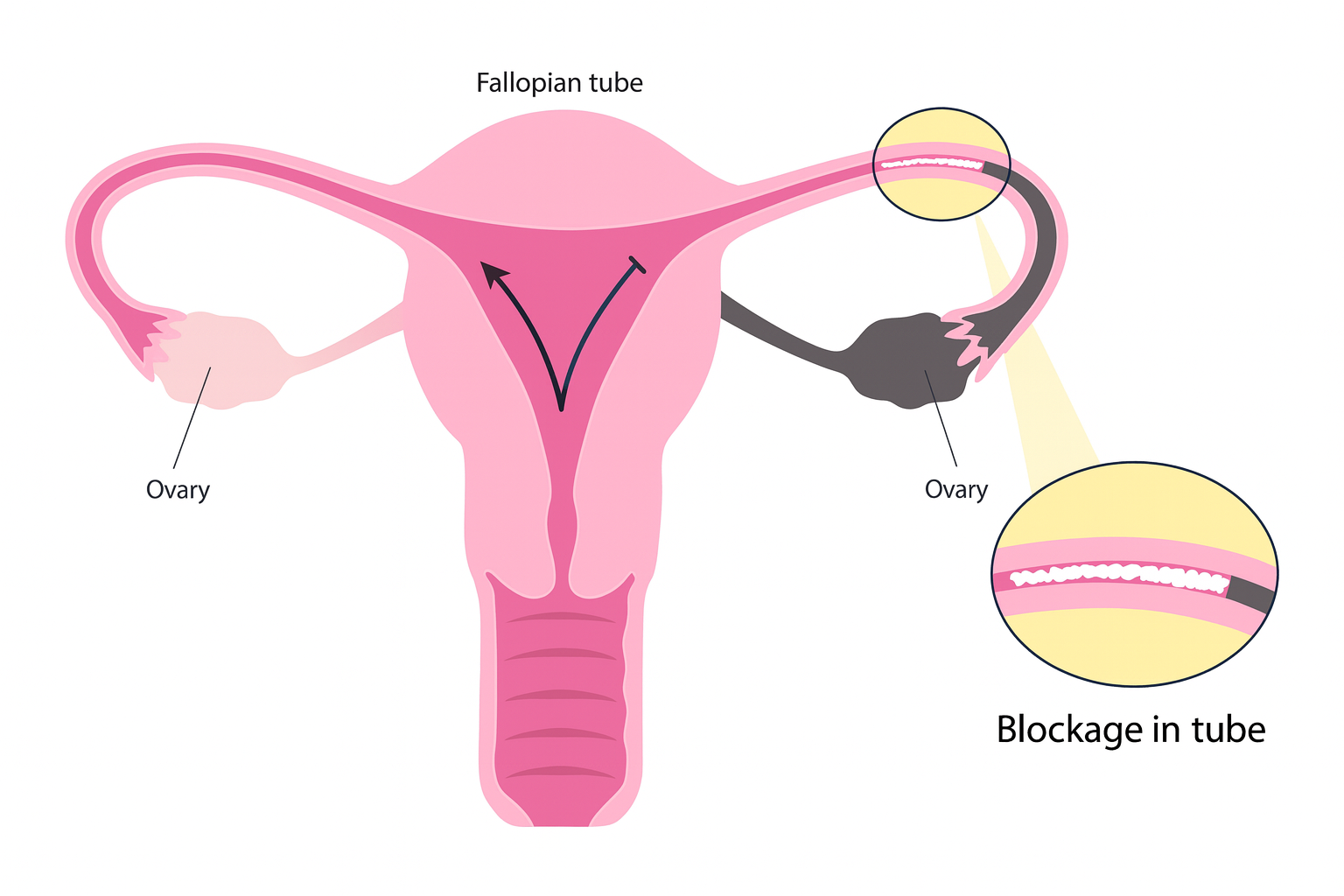
Fallopian tubes are essential for natural conception, as they carry the egg from the ovary to the uterus. Blockage in the fallopian tubes is a common cause of female infertility, affecting approximately 25-30% of women with infertility.
Common Causes of Blockage
Fortunately, Interventional Radiology offers a minimally invasive solution to restore fertility without the need for open surgery.
How Interventional Radiology Helps
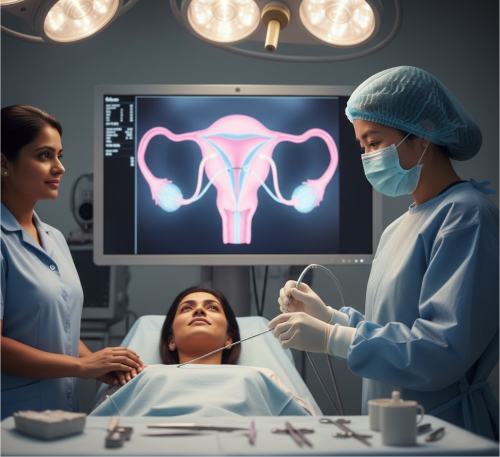
Fallopian Tube Recanalization (FTR) is a procedure performed by Interventional Radiologists to open blocked fallopian tubes. Using advanced imaging techniques, the specialist can precisely locate and treat the blockage.
1. Diagnosis
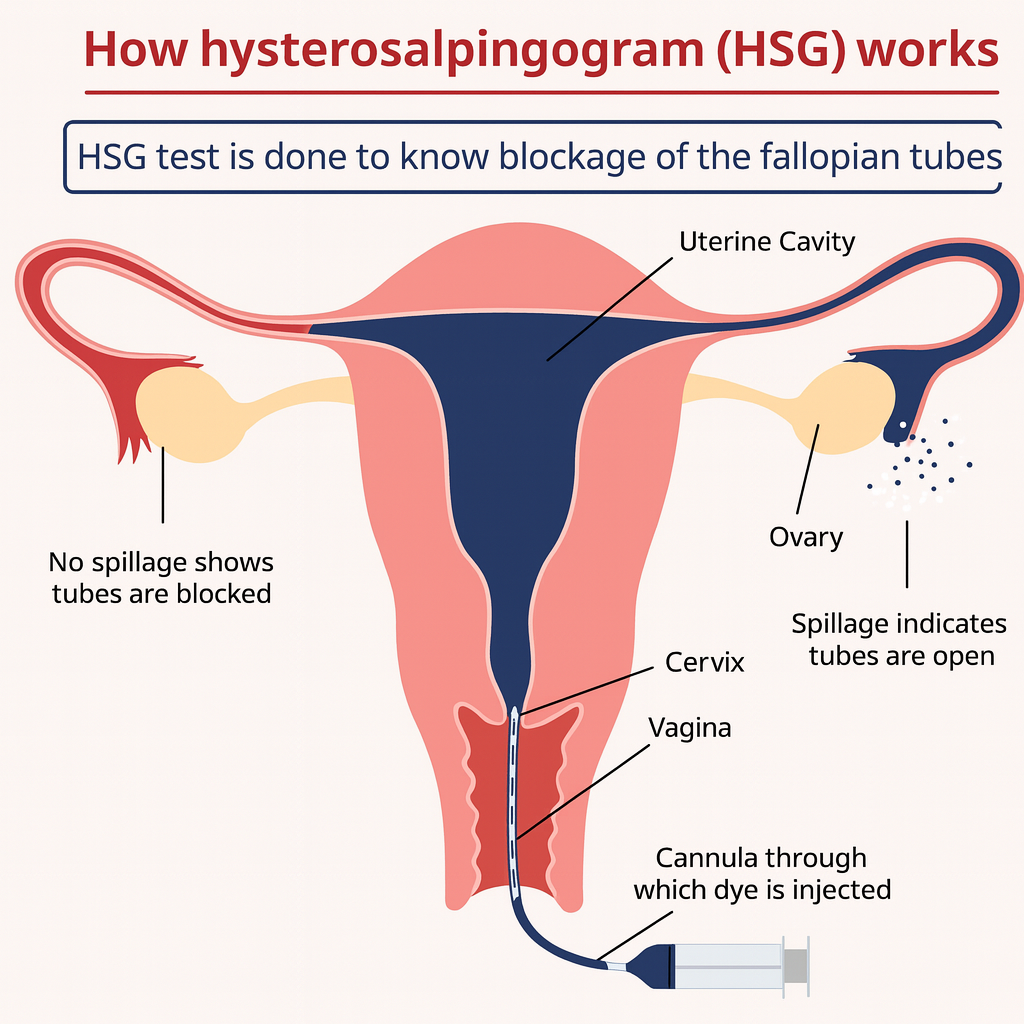
Initial evaluation involves hysterosalpingography (HSG), an X-ray procedure with contrast dye, to identify the site and nature of the blockage. Imaging ensures that only the affected tube is targeted, preserving healthy structures.
2. Recanalization Procedure
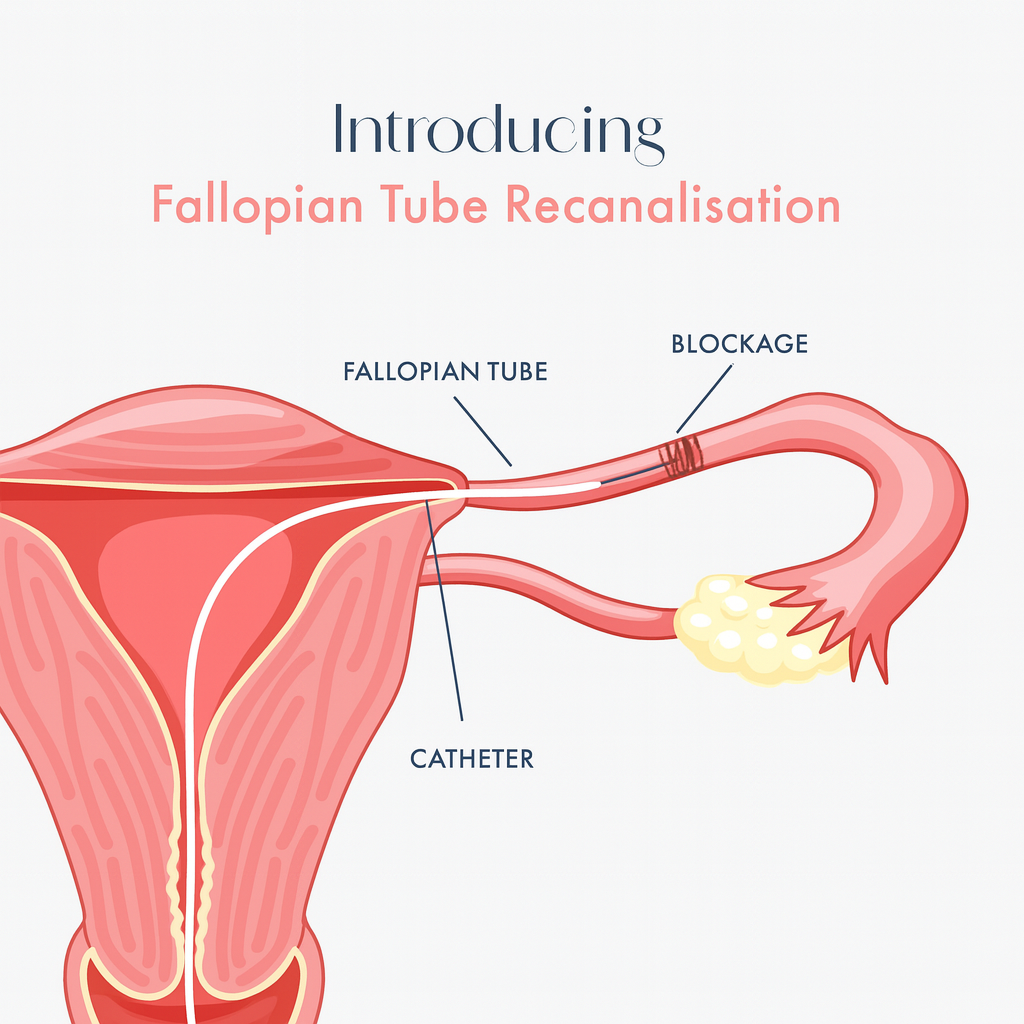
Performed under local anesthesia as an outpatient procedure. A thin, flexible catheter is inserted through the cervix into the uterus and guided into the blocked fallopian tube. Using gentle techniques, the blockage is cleared, restoring normal flow.
3. Post-Procedure Care
Most patients experience minimal discomfort and can return to normal activities the same day. Patients are usually advised to try conception soon after the procedure for best results.
Benefits of Interventional Radiology FTR
Minimally invasive
No incisions or major surgery
Outpatient procedure
Quick recovery
High success rates
Especially for proximal (near-uterus) blockages
Preserves fertility
Avoids surgical trauma to the uterus and ovaries
Targeted treatment
Precise imaging ensures safe and effective results
Safe & effective
Proven treatment with excellent outcomes
A Safe and Effective Option for Women Seeking Fertility
Fallopian Tube Recanalization by Interventional Radiology provides a safe, precise, and fertility-preserving alternative to more invasive surgical options. It offers hope to women who wish to conceive naturally but are facing challenges due to tubal blockage.
This procedure restores natural fertility pathways without compromising your reproductive health.

When to Seek Consultation
If you have difficulty conceiving and have been diagnosed with fallopian tube blockage, a consultation with an Interventional Radiologist can help determine if recanalization is the right option for you.
- Difficulty conceiving for 6+ months
- Diagnosed with fallopian tube blockage
- History of pelvic infections or surgery
- Previous diagnosis of endometriosis
- Unexplained infertility
- Considering fertility treatment options
Early Evaluation Matters
Early evaluation increases the chances of success and may help avoid more invasive procedures.
Frequently Asked Questions
🌱 Restore Your Fertility Potential
If you have difficulty conceiving and have been diagnosed with fallopian tube blockage, a consultation with an Interventional Radiologist can help determine if recanalization is the right option for you.
👉 Early evaluation increases the chances of success and may help avoid more invasive procedures.