
Pelvic Congestion Syndrome
A common but often overlooked cause of chronic pelvic pain in women
Many women live with this discomfort for years, attributing it to hormonal changes or menstrual issues — but PCS is a treatable vascular condition, not just "normal pain."

Understanding Pelvic Congestion Syndrome
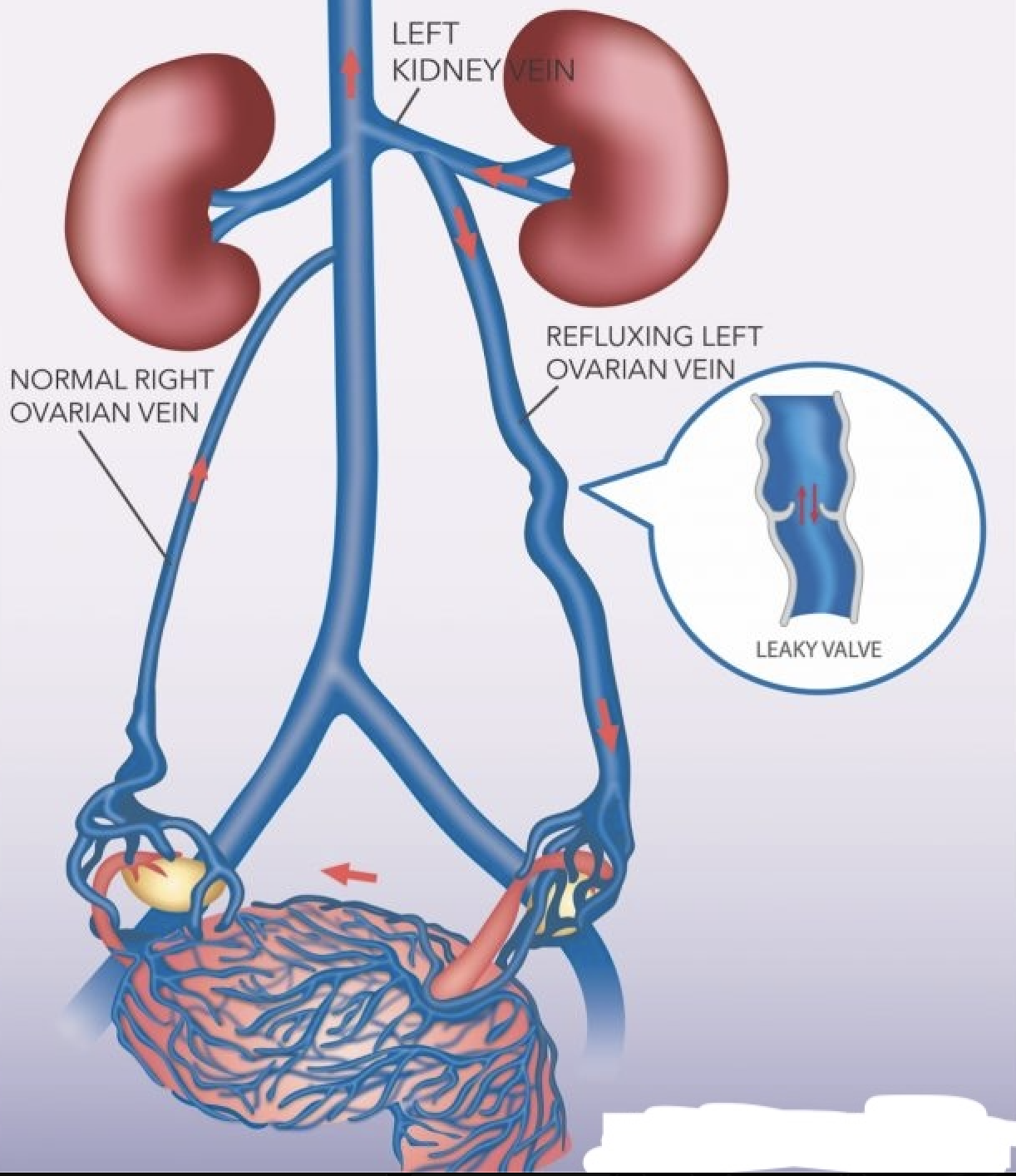
Pelvic Congestion Syndrome (PCS) is a common but often overlooked cause of chronic pelvic pain in women, especially those who have had multiple pregnancies. It occurs when the veins in the pelvis become enlarged and filled with stagnant blood due to faulty vein valves, leading to persistent aching or heaviness in the lower abdomen.
Why Pelvic Veins Become Congested
Just like varicose veins in the legs, pelvic veins can lose their elasticity or valve function. This causes blood to pool in the pelvis, leading to:
Unfortunately, PCS often goes undiagnosed, as routine scans may not detect the underlying venous problem.
How Interventional Radiology Helps
Interventional Radiology (IR) offers a minimally invasive and highly effective treatment for Pelvic Congestion Syndrome through a procedure called Pelvic Vein Embolization.
1. Diagnosis
IR specialists use ultrasound, CT, or MRI venography to identify the dilated pelvic veins and confirm the presence of reflux (backward blood flow). Accurate diagnosis is key to ensuring the right veins are targeted.
2. Pelvic Vein Embolization
Performed under local anesthesia through a tiny pinhole in the groin or neck. A thin catheter is guided into the affected ovarian or pelvic veins under X-ray guidance. The abnormal veins are sealed using tiny coils or special embolic materials to block backward blood flow.
Procedure Details
This relieves pressure in the pelvis and restores normal circulation.
The procedure usually takes about an hour, and most patients go home the same day.
Benefits of Interventional Radiology Treatment
Minimally invasive
No open surgery or stitches
Quick recovery
Most women resume normal activities within a day or two
Targeted therapy
Only the diseased veins are treated
High success rate
Long-term pain relief in most patients
Cosmetic advantage
Helps reduce visible varicose veins in the vulvar or thigh area
Safe & effective
Proven treatment with excellent outcomes
A Condition Often Overlooked
Despite being a major cause of chronic pelvic pain, Pelvic Congestion Syndrome often receives inadequate attention and is frequently misdiagnosed as gynecologic or psychological in origin.
Recognizing it early can spare years of unnecessary pain and frustration.
When to Seek Consultation
If you experience any of the following symptoms, it's time to consult an Interventional Radiologist:
- Persistent pelvic heaviness or aching
- Pain that worsens with standing or at day's end
- Unexplained discomfort after pregnancy
- Pain during or after intercourse
- Visible varicose veins in thighs, vulva, or buttocks
- Worsening pain before menstrual periods
Early Evaluation Matters
Early evaluation can lead to a clear diagnosis and long-lasting relief through safe, image-guided treatment.
Frequently Asked Questions
💡 Don't Normalize Your Pain
If you experience persistent pelvic heaviness, pain that worsens with standing, or unexplained discomfort after pregnancy, it's time to consult an Interventional Radiologist.
👉 Early evaluation can lead to a clear diagnosis and long-lasting relief through safe, image-guided treatment.